Hormone therapy
Does HRT cause weight gain? What the trials show
No. Across 28 randomised trials and more than 28,000 women, HRT made no meaningful difference to weight. What some women notice in the first weeks is bloating and fluid, which usually settles within a couple of months.
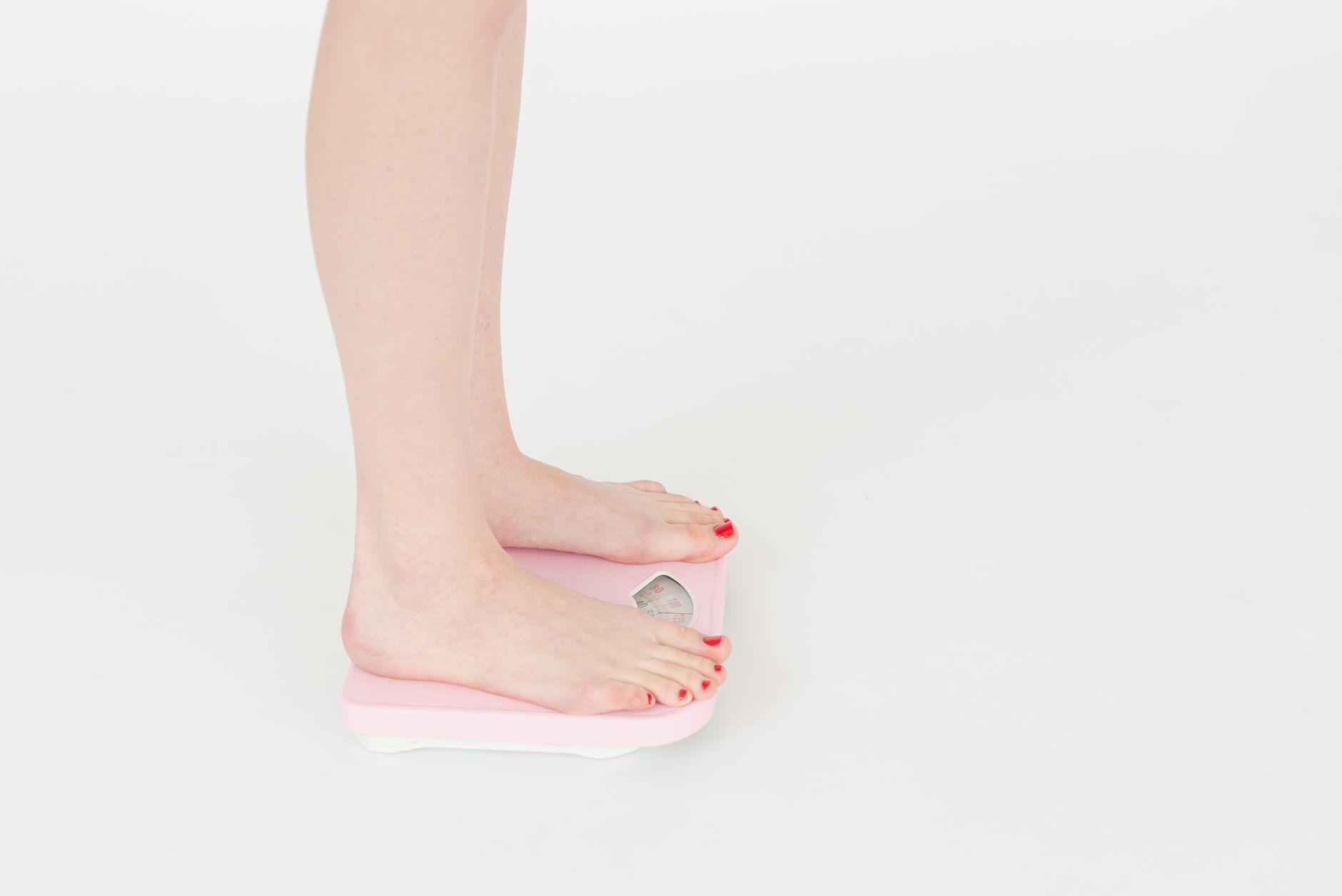
Worry about weight is one of the most common reasons women give for not starting HRT, or for stopping it early. The research on this question is unusually clear, so it is worth knowing what it found before that worry makes the decision for you.
What the largest review found
The Cochrane review of oestrogen and progestogen therapy and body weight pooled 28 randomised controlled trials covering 28,559 women. It compared women taking HRT with women taking a placebo or nothing, and looked at weight and body mass index (Cochrane review CD001018).
The gap in weight change between the groups was 0.03 kg for oestrogen alone and 0.04 kg for combined oestrogen and progestogen. Neither is statistically significant, and both are smaller than the difference a glass of water makes on a bathroom scale. The reviewers concluded that HRT does not cause extra weight gain. They also found it does not prevent the weight gain that is common around menopause.
One gap is worth knowing about. The trials did not report enough on waist-to-hip ratio or fat mass to say whether HRT changes where fat sits on the body, so any claim that HRT shrinks or grows a menopause belly goes beyond the evidence.
Why it can feel as if HRT added weight
Two things make the belief stick. The first is timing. Women usually start HRT in their late 40s or early 50s, the same years in which weight tends to creep up anyway. The Menopause Society puts most midlife weight gain down to ageing and lifestyle: muscle mass falls by roughly 3 to 8 percent per decade after 30, people move less, and poor sleep and stress change eating. Menopause itself mainly shifts where fat is stored, toward the waist (The Menopause Society). Start HRT in that window and it gets the blame for a change that was already under way.
The second is the early side effects. Guy's and St Thomas' NHS Foundation Trust lists temporary bloating and fluid retention among the common effects of starting HRT, and notes that some people mistake it for putting on weight before it settles (Guy's and St Thomas': side effects of HRT). Waistbands feel tighter and the scale may move a little, but this is water and gas, and it fades.
The first three months
NHS prescribing guidance for GPs in Bristol and the surrounding area says bloating and fluid retention usually settle within 6 to 12 weeks, and that they are mostly linked to the progestogen part of combined HRT (BNSSG Remedy: side effects and risks of HRT). If they are still there after three months, the advice is to review the preparation rather than stop treatment.
That review has several levers. A doctor can change the type of progestogen, switch from a tablet to a body-identical micronised progesterone, change the route of oestrogen from tablet to patch or gel, or adjust the dose. A hormonal coil is another way to give the progestogen with less of it reaching the rest of the body. Which of these suits you depends on your history, so it is a conversation to have at the three-month review that most prescribers book anyway.
What does move weight at this age
If HRT is not the cause, the useful question is what is. The Menopause Society's list is muscle loss, lower activity, changes in eating, stress and broken sleep. Each of those has its own fix, and none of them needs you to avoid HRT.
Muscle is the one I would put first. Strength training two or three times a week protects the muscle that keeps your resting energy use up, and it helps bones too, which matters more after menopause. Our weight and diet guides go through eating for this stage, and the sleep topic covers night sweats and 3am waking, both of which make appetite harder to manage.
HRT may help indirectly for some women. If hot flushes and night sweats are wrecking your sleep, treating them can make it easier to keep up exercise and regular meals. That is a knock-on effect of better sleep and does not show up as weight loss in the trials.
Questions to take to your appointment
- Which progestogen is in this prescription, and is there an option if I get bloating?
- Would a patch or gel suit me better than a tablet?
- When is my review, and what should I note down before it?
- Is there anything in my history that changes the balance of benefits and risks for me?
The NHS overview of HRT types and side effects is a good page to read before you go, and our hormone therapy topic collects the rest of what we have written on HRT. Breast cancer, clots and stroke, counted for a group of 1,000 women, are in HRT risks in plain numbers. If weight is one of several symptoms you want on paper first, use the symptom checklist to print for a GP.
My take
I would not let fear of weight gain decide whether you try HRT. The trial evidence on that point is about as solid as menopause research gets. If you start and feel bloated, give it the usual review window and then ask for a change of progestogen or route, since that is the part most likely to be responsible. Put your energy into the things that do shift midlife weight, with lifting weights at the top of the list.
Comments
No comments yet. Questions and your own experience are welcome.
Thank you. Your comment will appear once it has been reviewed.